














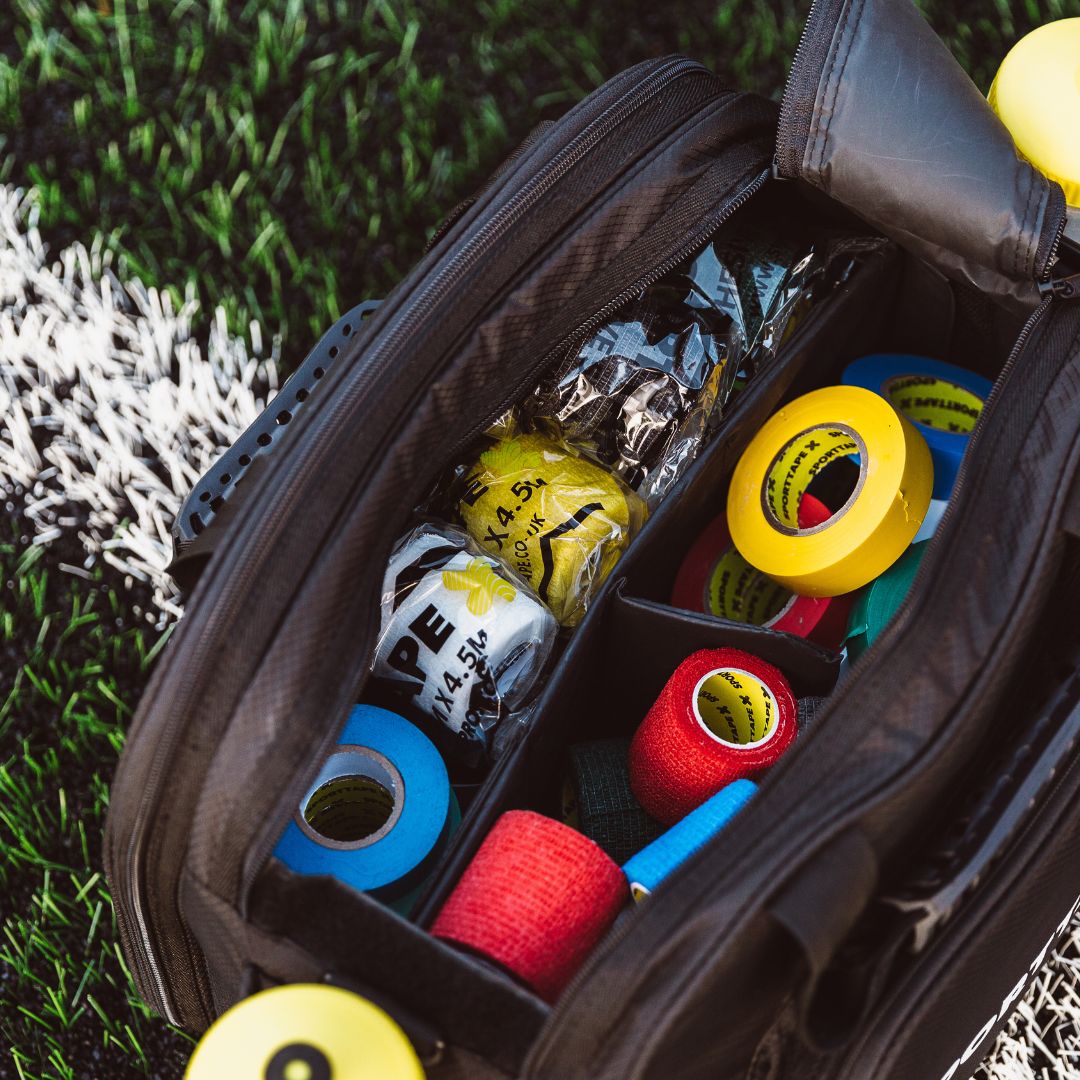
Every sports physio has a bag. And if you’ve been around long enough, you’ll know it’s usually a mix of essentials, half-used rolls of tape, and a few items you swear you’ll need one day, even if you haven’t touched them in months.
But when you’re working pitch-side, especially in fast-paced environments like rugby, what’s in that bag really matters. There’s no time to rummage, overthink, or wish you’d packed something different. You need kit you trust, tools that do exactly what they’re supposed to do, and options that let you make quick, confident decisions under pressure.
So we asked our Head of Medical & Education, Ben Warburton, to strip it back and share the five things he wouldn’t be without in his sports physio bag. Or in other words, the staples that have earned their place through years of elite sport, not trends or guesswork.
TOP 5 THINGS IN YOUR PHYSIO BAG:
LIFE AS AN ELITE SPORTS PHYSIO
Working in elite sport isn’t glamorous in the way people sometimes imagine. Yes, there are big games and big moments, but there’s also early mornings, late finishes, and a constant need to be prepared for the unexpected. When something happens on the pitch, you don’t get time to deliberate. You need to act quickly, calmly, and confidently.
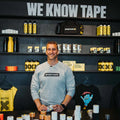
That’s the environment Ben Warburton, or Warbs, has spent the last decade operating in. A former WRU Sevens physio and Head Physio at the Scarlets, his day-to-day work sits right at the intersection of performance, risk management, and player welfare. Every decision hadconsequences, and preparation is everything.
Since beginning to transition away from professional rugby, Warbs leads our Medical & Education offering, delivering workshops and mentoring therapists working across a range of sports and settings. While rugby has its own demands, many of the principles he works by, like simplicity, efficiency, and trust in your tools, apply whether you’re pitch-side at a grassroots club or working in elite environments.
Which brings us neatly to the physio bag. When you strip away the noise, trends, and nice-to-haves, what’s left are the items that consistently do the job. The ones you reach for under pressure. The ones that earn their place. Here's the 5 that Warbs would pick...

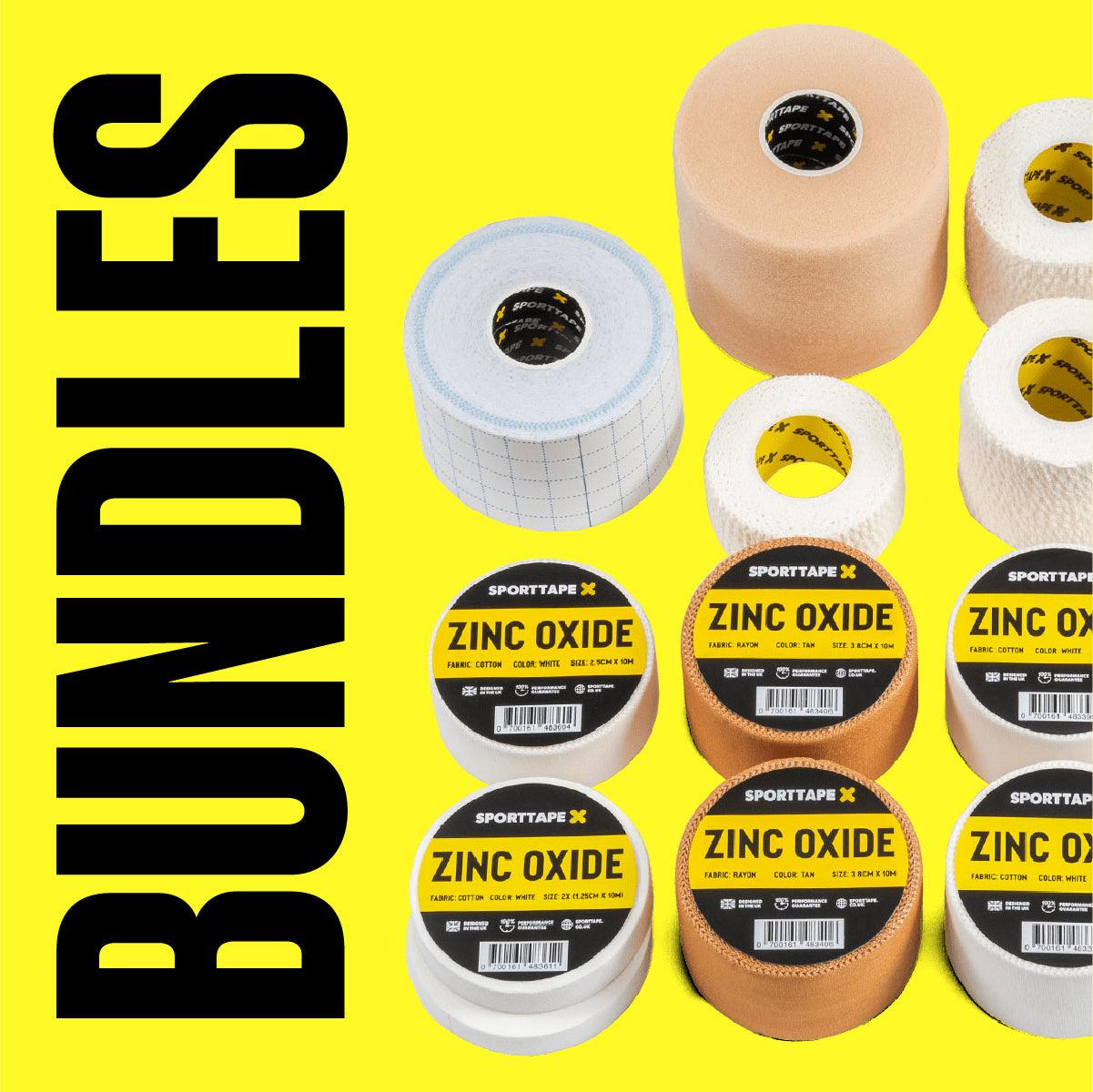
1. ZINC OXIDE TAPE
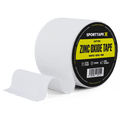
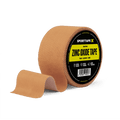
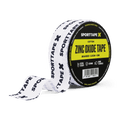
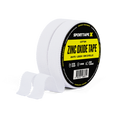
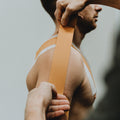
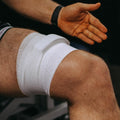
If you’re looking to provide proper external support, Zinc Oxide Tape is hard to beat. For Warbs, it’s the gold standard when restriction and reinforcement are needed. “Nothing restricts movement or gives more reinforcement than Zinc Oxide,” he says. “If you’re trying to give external stability, it’s number one.”
In rugby, and many contact sports, joints are constantly tested under load. Zinc Oxide Tape allows you to create firm, reliable support that players trust, which is crucial when decisions need to be made quickly. It’s not flashy, but it’s effective and that’s exactly why it’s always in the bag.
Some will opt for the standard White rolls, but in rugby, a Tan roll goes that little bit further. It's stronger and ideal for those larger joints like knees and shoulders. It's very much a preference thing.

2. TEAR EAB
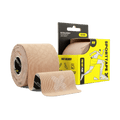
Elastic Adhesive Bandage (99% of people just say EAB) might not restrict movement in the same way as Zinc Oxide, but its versatility makes it invaluable.
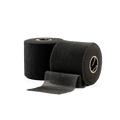
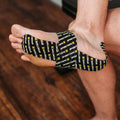
EAB comes into its own when time is tight. It’s quick to apply, easy to adjust, and ideal for holding Zinc Oxide applications in place to increase their longevity, particularly useful when you’re trying to get through a full match without re-taping.
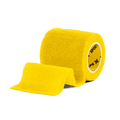
It also doubles up as a compression option in acute injury scenarios, especially if Cohesive Bandage isn’t available. For Warbs, it’s one of those items that quietly solves multiple problems and those are the ones you miss most when they’re not there. It comes in different sizes that fit exactly what you're taping. Everyone loves EAB.

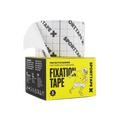
3. FIXATION TAPE
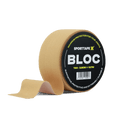
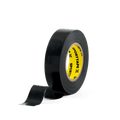
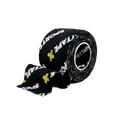
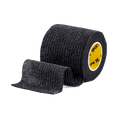
Fixation Tape might not get much attention, but in elite sport it can be the difference between a tape job lasting five minutes or eighty. Not to mention those additional minutes you have to spend taking the tape off your full back's shoulder.
“I tape a lot of shoulders,” Warbs explains, “and when it’s used properly, Fixation Tape can hold an application together for a whole rugby match.”
It’s also one of the most cost-effective tools in the bag. By securing tape jobs and dressings properly, Fixation Tape prevents other materials from coming loose, saving both time and budget in the long run. It’s equally useful for keeping wound dressings in place, particularly when sweat, movement, and contact would otherwise undo your work.
So to sum it up, it's super simple, affordable, and hugely effective.

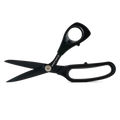
4. TAPING SCISSORS
It might sound obvious, but a decent pair of taping scissors is non-negotiable.
“How else are we cutting Fixation Tape?” Warbs jokes. But there’s a serious point underneath. Clean, efficient cutting saves time, improves application quality, and avoids unnecessary frustration. And let’s be honest: players will always ask you to cut something.
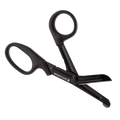
From a practical and team-dynamic point of view, having scissors to hand just makes life easier. It’s a small thing, but in busy environments, small things matter. There are specific bandage scissors (or Tuff Cuts as ours are called), or the larger Kinesiology Tape Scissors which are for those proper premium cuts.

5. GAUZE DRESSINGS
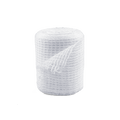
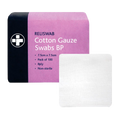
When it comes to managing wounds, gauze dressings are one of the most adaptable tools you can carry. “If a player gets a nasty wound, gauze is my go-to,” says Warbs. “You can cut it, fold it, and adapt it to suit most injuries.”
Because it’s non-adhesive, gauze is comfortable to apply over damaged skin and ideal as a temporary solution until more definitive treatment is possible. Whether you’re dealing with abrasions, lacerations, or bleeding control, it’s a reliable, flexible option that earns its place in any physio bag, rugby or otherwise.

There’s no such thing as the perfect physio bag. What you carry will always depend on your sport, your environment, and your level of responsibility. But the principles behind Warbs’ choices are universal: reliability, versatility, and trust built through experience.
These aren’t trendy tools or nice-to-haves, they’re items that have proven themselves time and time again in elite sport, under pressure, when decisions matter. Strip your bag back to what really works, and you’ll be better prepared for whatever gets thrown your way.
Because when the whistle’s blown and the clock’s running, the last thing you want to be doing is wishing you’d packed differently. Want to hear more from Warbs? Check out his top 3 lessons for a new sports therapist or physio!