





















































There’s a point early in most physio and sports therapy careers where you think you’ve cracked it. You’ve got the degree, a few tools (and tapes) in the locker, and just enough confidence to feel dangerous. And then reality steps in and reminds you that knowing some things isn’t the same as knowing enough.
The truth is, no course can fully prepare you for the grey areas of real-world practice. That's the judgement calls, the pressure, and the responsibility that comes with looking after athletes and patients properly. That learning only comes with time, experience, and (ideally) the right people around you.
So we asked our Head of Medical & Education, Ben Warburton, to reflect on his own journey and share the three biggest lessons he wishes he’d learned sooner. It's honest, practical advice for anyone starting out in physiotherapy or sports therapy, so let's get down to business.
BIGGEST LESSON FOR A NEW PHYSIO:
WHO'S GIVING THE ADVICE?
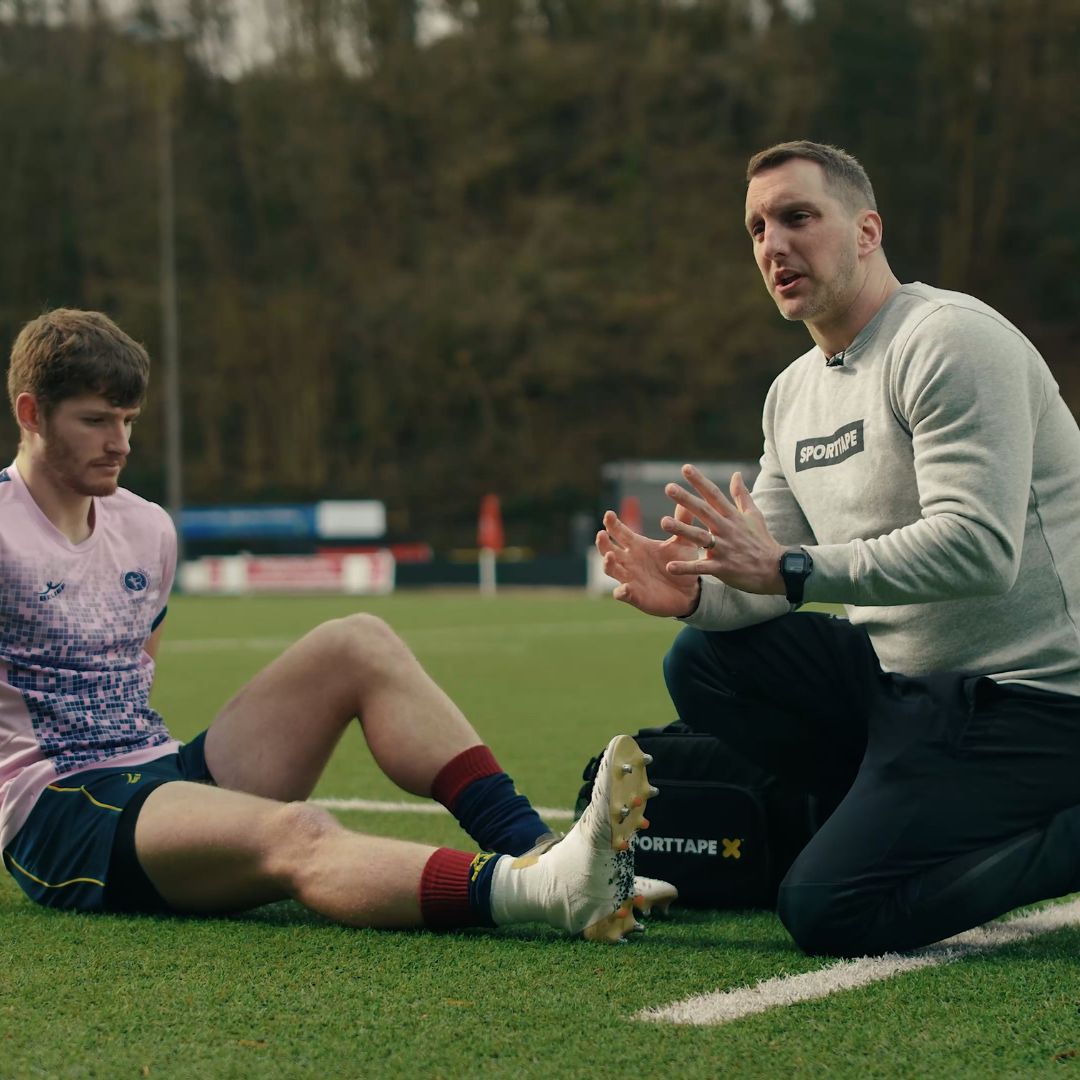
Ben Warburton, or Warbs, as we all know him as at HQ, has spent the best part of the last decade working at the sharp end of professional rugby. He’s a former WRU Sevens physio and Head Physio at the Scarlets, where performance, availability and decision-making aren’t just buzzwords, they’re daily realities.
Like most good therapists, his career hasn’t been built on one magic technique or textbook-perfect rehab plan. It’s been shaped by long days on the training pitch, honest conversations with players, and the constant balancing act between performance, risk and reality that comes with elite sport.
Alongside his role in professional rugby, Warbs also heads up our Medical & Education arm, delivering workshops and mentoring therapists who are either just starting out or looking to sharpen their practice. It’s given him a front-row seat to the same questions, mistakes and uncertainties that crop up again and again in early careers, regardless of whether someone wants to work in elite sport or everyday clinical practice.
And that’s the thing about physio and sports therapy: while settings might change, the fundamentals don’t. You’re still dealing with people, pressure, imperfect information and decisions that matter. Which is exactly where Warbs’ three lessons come in.

LESSON 1: DON'T DO IT ALONE - SOAK UP THE EXPERIENCE
It’s tempting early on to prove you can handle everything solo. Working independently teaches responsibility and organisation, but there’s only so much you can learn alone/ The human body doesn’t exactly come with a manual.
Warbs’ advice? Spend your first few years working with a senior physio or getting exposure to one. “University gives you the basics,” he says, “but you’re never going to see every injury or tricky decision in a lecture theatre. Working alongside someone experienced shows you how much you don’t know and that’s a good thing.”
It’s not just about techniques. Seeing a senior in action teaches you how to handle the unexpected, make quick calls under pressure, and combine theory with reality. Surround yourself with experience early, and you’ll be far better prepared when it’s your turn to fly solo.

LESSON 2: WHEN IN DOUBT, PLAY IT SAFE
Early in your career, it can be tempting to take a gamble and try the flashy technique, push for a bold decision, or hope for a breakthrough. And sometimes it works. But more often than not, the cost of getting it wrong outweighs the reward. Injuries aren't something to take chances on.
Warbs’ tip for this? If you’re 50/50 on a decision, lean on the side of caution. “A gamble might make you look brilliant if it pays off,” he says, “but if it doesn’t, you’re the one picking up the pieces and that can be costly, both for your patient and your confidence.”
It’s a lesson in humility as much as safety. Smart therapists know when to act boldly, and when to pause, think, and choose the path that protects the player or patient first. Over time, making safe, considered decisions builds trust, and trust is worth far more than a lucky win in sport.

LESSON 3: EMPATHY GOES FURTHER THAN ANY PHYSIO TECHNIQUE
Being a great physio isn’t just about knowing the latest treatment or perfecting a rehab plan. Sometimes, the biggest difference you make comes from simply listening.
Warbs has seen it time and again: therapists who take the time to hear their patients or players, understand their concerns, and work out a plan together often get better results than those chasing a “quick fix.” “It’s never one-size-fits-all,” he says. “Giving someone the space to talk, showing you care, and being approachable builds trust, and that trust will get buy-in faster than any magic technique.”
It’s also about reading the room. Every player, every patient, reacts differently to pressure, pain, or rehab routines. The best therapists notice the small things, like a pause, a hesitant glance, a frustrated sigh, and adjust their approach accordingly. That attention to the person behind the injury is what separates good therapy from great therapy.
In short, skills matter, but people matter more. Combine knowledge with empathy, and you’ll not only treat injuries, you’ll connect with the people behind them, and make their journey to recovery smoother in ways no technique alone can achieve.

Starting out as a physio or sports therapist can feel overwhelming. There’s a lot to learn, and the real world is rarely neat or predictable. But leaning on experience, making careful decisions, and remembering the human side of your work will set you up for success far more than trying to do it all alone or chasing shortcuts.
Warbs’ three lessons, work with senior clinicians, choose caution when in doubt, and lead with empathy, aren’t flashy, but they’re the kind of advice that sticks. Keep them in mind, and you’ll not only grow as a therapist, but you’ll also make the players and patients you work with feel genuinely looked after.
Because at the end of the day, great physio isn’t just about fixing injuries, it’s about connecting, learning, and building trust, one patient at a time.