


















Set the scene.
You’re sprinting across the pitch, ball under your arm. You glance left. Flankers closing in. Right, there’s space, but it’s risky. You go for it. Then, bang. You’re on the floor. You shake it off, get up, carry on. Standard. But a few days later, your shoulder’s still sore. The week after that, your hip tightens up. That one hit? Still there.
Now imagine taking that same hit, but with a layer that absorbs it, spreads the force, and takes the edge off before it even reaches your body. That’s the difference impact protection can make.
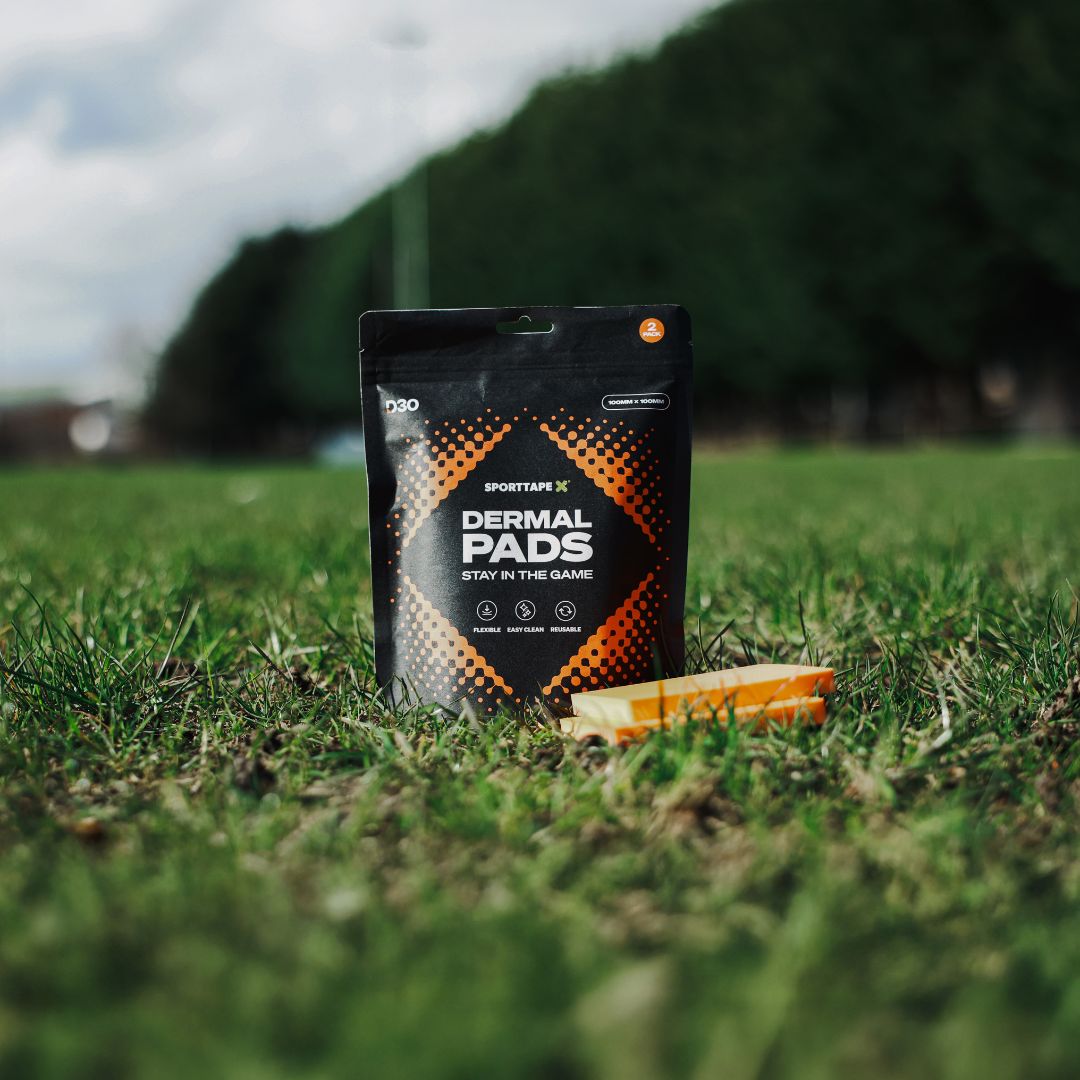
And it’s exactly why we developed the Dermal Pad using D3O®. It's a material designed to stay soft while you move, but firm up instantly on contact. Because impact isn’t the problem. It’s unmanaged impact that causes issues.
SPORTTAPE'S D3O® DERMAL PADS:
WHAT'S ACTUALLY TAKING THE HIT?
When you take contact, it’s not your bones doing most of the work, it’s your soft tissue. Muscles, tendons, ligaments, fascia, blood vessels. These tissues are built to absorb force, but only up to a point. Once that threshold is exceeded, or the same area keeps taking repeated hits, you start to see the signs:
- Lingering pain
- Swelling
- Bruising
That’s your body telling you it hasn’t fully recovered. The issue is, most players don’t change anything. They just keep going.
That’s where something like a Dermal Pad becomes useful. Not as a replacement for rehab or rest, but as a way to reduce how much of that next impact actually reaches the tissue.
WHY SMALL KNOCKS TURN INTO BIGGER PROBLEMS
Not every knock needs time off. But it does need managing. If a muscle has taken a hit and is already irritated or bleeding internally, another direct impact can make things worse quickly. That’s how a “minor knock” turns into something that keeps you out for weeks.
Adding a protective layer over that area gives it a chance to settle while you’re still training or playing. It’s not about avoiding contact, it’s about taking the sting out of repeated impact.

THE AREAS THAT TAKE THE MOST CONTACT
SHOULDERS
One of the most exposed areas in rugby.
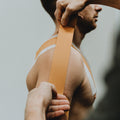
Hard tackles can load the AC joint at the top of the shoulder, especially from direct impact. Placing a Dermal Pad over that area helps spread the force of contact, rather than letting it concentrate through one point. It doesn’t remove the hit, but it changes how your body experiences it.
THIGH (DEAD LEG)
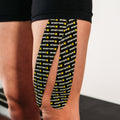
A direct hit to the quad compresses muscle against bone, leading to pain, stiffness, and often internal bleeding. If you take another hit before it settles, the damage builds.
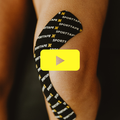
Using a Dermal Pad here acts like a buffer. It absorbs part of that impact and helps protect the tissue while it recovers. Without that layer, you’re essentially hitting the same injured spot again and again.
KNEE & FOREARMS
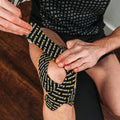
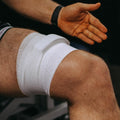
These areas deal with repeated friction and contact. Sliding, dragging, collisions. Protection here helps reduce both surface damage and stress on the tissue underneath. It’s not always the biggest hits that cause issues. It’s the repeated ones.

WHY D3O® MAKES A DIFFERENCE
Not all padding works the same way. Some materials are too soft. They flatten and don’t do much. Others are too rigid. They restrict movement and become uncomfortable. D3O® sits in the middle.
It stays soft and flexible while you’re moving, so it doesn’t interfere with performance. But the moment it takes a hit, it stiffens to absorb and disperse the force, then returns to soft again. That means you’re not taping something bulky or restrictive to the body. You’re adding a layer that adapts to what’s happening in real time.
When we developed the Dermal Pad, that balance was the priority. After testing different materials, densities, and designs, we landed on a pad that:
- Moulds to the body
- Sits comfortably under tape and kit
- Holds up under repeated contact
- Delivers consistent impact protection
It’s built to slot straight into your taping setup - not replace it, but improve it.

BUILDING PROTECTION THE RIGHT WAY
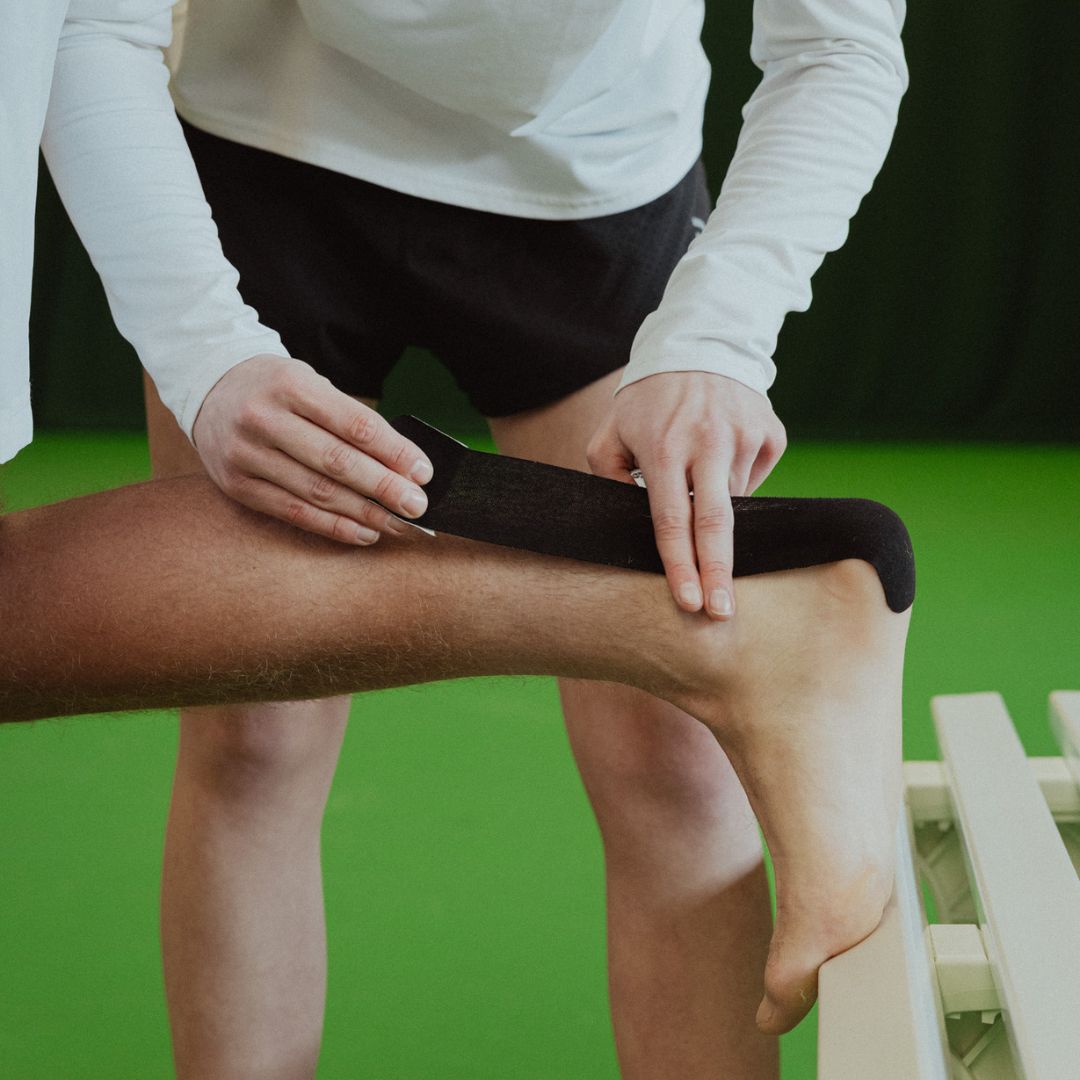
If you’re taping, think in layers:
- Cushion → where the Dermal Pad sits
- Fixation → keeps it in place
- Compression → supports the area
That first layer is key. It’s what actually deals with impact. Everything else supports it.
WHERE PEOPLE GET IT WRONG
A few common mistakes:
- Only focusing on joints, not soft tissue
- Ignoring repeated contact during training
- Returning from injury without protecting the area
That last one matters most. Just because something feels “fine” doesn’t mean it’s ready for repeated impact. That’s often when using a Dermal Pad makes the biggest difference. It's helping bridge the gap between rehab and full contact.
IF YOU'RE THE ATHLETE
If you’re getting taped, ask:
- Is this area still vulnerable?
- Am I moving differently?
- Would protecting this now prevent a bigger issue?
Because sometimes the smartest move isn’t pushing through. It’s making small adjustments that keep you on the pitch consistently.

ARE DERMAL PADS THE ANSWER?
Impact is part of the game. That won’t change. But how you manage it? That’s completely in your control.
The difference between carrying a knock for a few days or dealing with it for weeks often comes down to one thing...whether you protected it properly in the first place. You don’t need to overcomplicate it. Sometimes it’s as simple as adding the right layer, in the right place, at the right time.
Wrap it before you wreck it.