

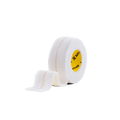
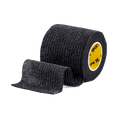

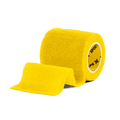
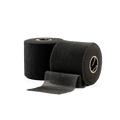






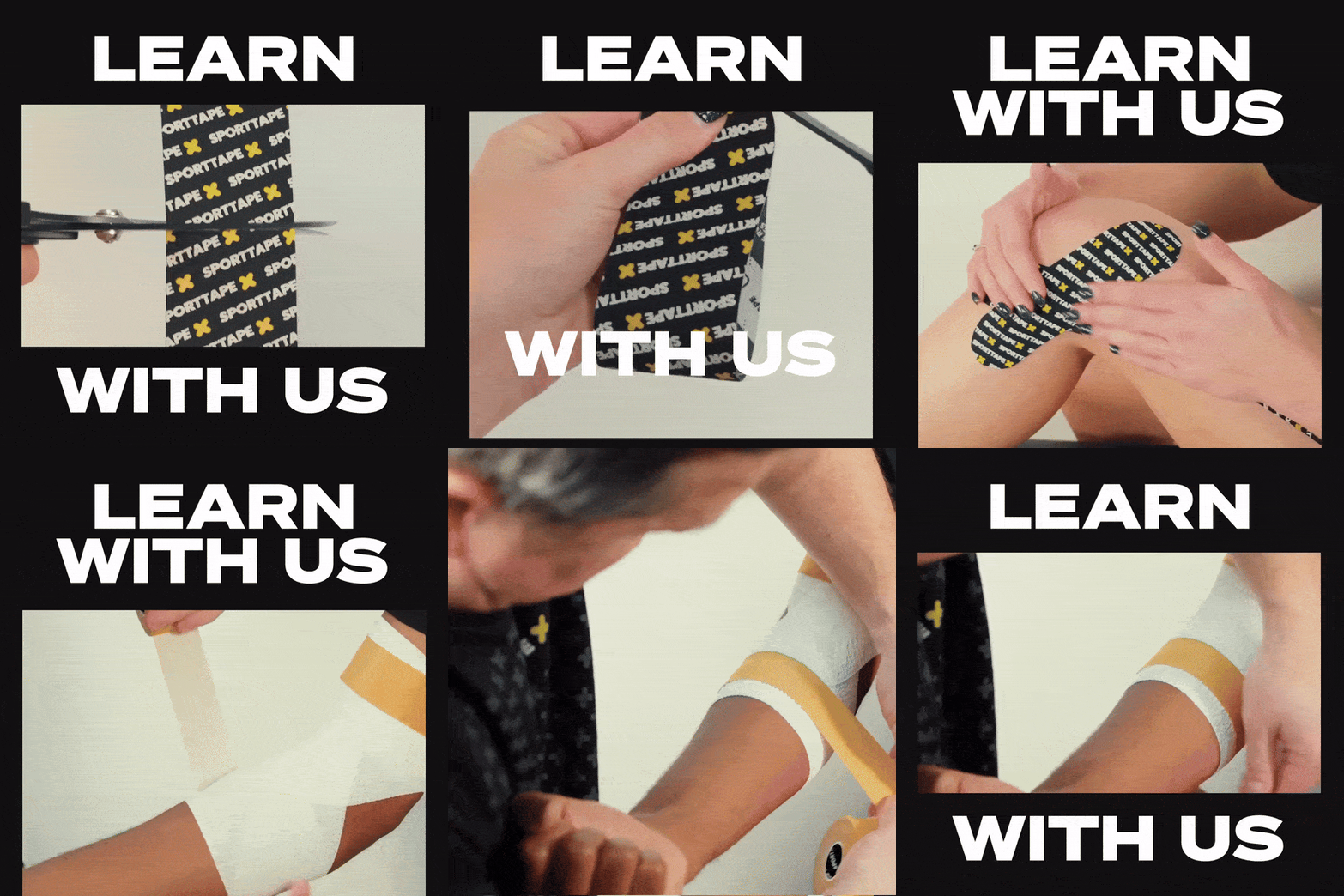

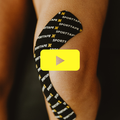





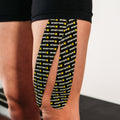
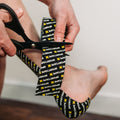
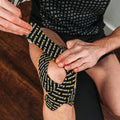
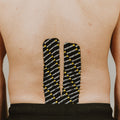
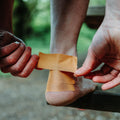


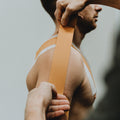
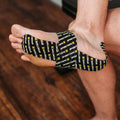

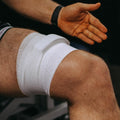
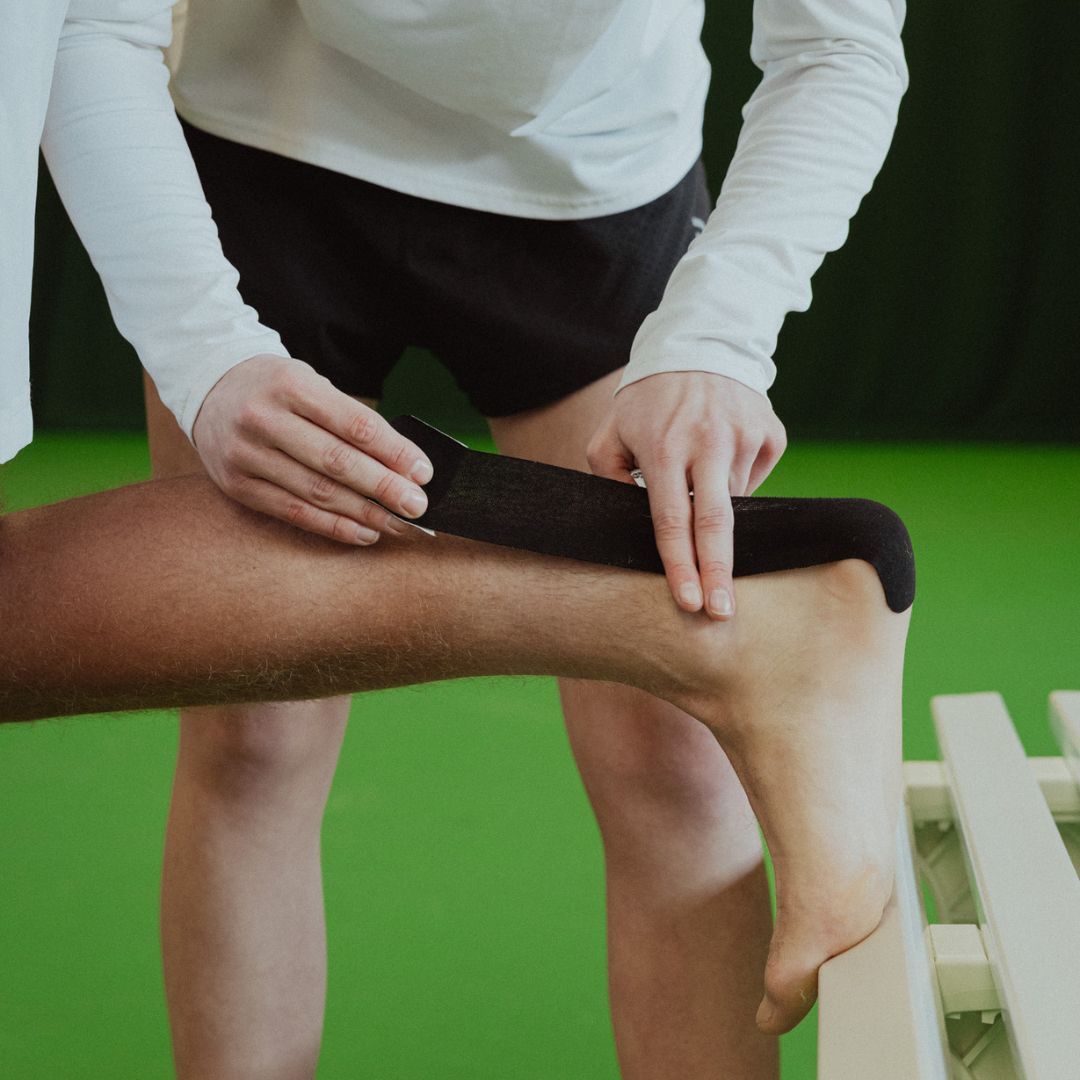
I’ll be honest, when I first came across Kinesiology Tape, I thought it was basically decorative.
Bright colours, strips across shoulders, knees, calves… looked more like a fashion choice than anything serious. Turns out, not quite.
Working in an industry that revolves around tape — rigid, Kinesiology, foam — forces you to learn quickly. Where it came from, why it exists, and more importantly, why so many people rely on it. And when you dig into it, you realise something interesting:
Kinesiology Tape didn’t just appear out of nowhere. It solved a very real problem.
THE STORY OF KINESIOLOGY TAPE:
WHEN INJURY MEANT STOPPING COMPLETELY
Picture this.
You’re a runner. Not elite, just someone who enjoys it. Morning runs to wake up, evening runs to clear your head. Then one day, something’s off. A dull ache around your knee. Stairs feel worse. Running? Not a great idea anymore. So you go and see a physio.
Before the 1970s, the solution was pretty simple: strap it up with rigid tape and rest. Rigid tape did exactly what it was designed to do - restrict movement. That can reduce pain, sure. But it also means you’re moving less… which isn’t always ideal when you’re trying to recover.
Once the tape came off, that support disappeared. No ongoing effect, no real assistance with movement quality or circulation. Just a waiting game until things improved. For a lot of athletes, even recreational ones, that meant time away from sport. And that’s not just physically frustrating, it messes with your head too.

THE SHIFT: MOVEMENT OVER RESTRICTION
Enter Kenzo Kase.
Back in the 1970s, Kase was working as a chiropractor, blending Western clinical training with traditional Eastern healing philosophies. His approach was different from the norm. Less about isolating treatments, more about understanding the body as a whole. And he had a simple idea:
What if tape didn’t restrict movement… but supported it instead?
That thinking led to the creation of what we now know as the Kinesio Taping Method. Instead of locking joints down, this new type of tape was designed to:
- Move with the body
- Mimic the elasticity of skin
- Gently lift the skin to encourage blood flow
The goal wasn’t to “fix” injuries. It was to assist the body while it did the work itself. At the time, it was a pretty radical shift.

FROM NICHE TO GLOBAL STAGE
Like most new ideas, it didn’t take off overnight. Early adoption happened in Japan, with athletes like sumo wrestlers using it for support without restriction. It made a quiet appearance at the 1988 Olympics, but for most people, it went unnoticed. Then came a turning point.
At the 2008 Beijing Olympics, beach volleyball player Kerri Walsh Jennings stepped onto the court with bold strips of tape across her shoulder. People noticed. Suddenly, everyone was asking the same question: What is that?
That moment pushed Kinesiology Tape into the spotlight. From there, it spread quickly! Into clinics, onto pitches, and across professional sport. You started seeing it on athletes like David Beckham, and it became part of the visual identity of modern sport.
THE DEBATE: DOES TAPE ACTUALLY WORK?
Here’s where it gets interesting. Despite its popularity, Kinesiology Tape has always had its critics. And that hasn’t really changed.
Some studies suggest it helps with pain relief. Others point towards placebo. There’s no universal agreement and probably never will be. But step away from the comment sections for a second, and you’ll find something more useful: how practitioners actually use it. From speaking with physios and athletes, three things come up consistently:
- Proprioception: That “sixth sense” that tells your body where it is in space. Tape can enhance that feedback, helping with awareness and control.
- Movement awareness: It gives you a better feel for how you’re moving, especially around an injured area.
- Confidence: This one’s simple. If something feels supported, you’re more likely to move freely. Less hesitation, less fear of re-injury.
And that matters more than people think. Because if you don’t trust your body, it shows.

HOW THE INDUSTRY CAUGHT UP
As the tape grew in popularity, the market exploded. More brands. More products. More variation in quality. And that created a new problem...accessibility. Not just access to the product, but access to understanding how to use it properly. That’s where SPORTTAPE came in.
Back in 2010, founders Kate-Anne and Carl spotted a gap in the UK market. Tape was either expensive, hard to get, or inconsistent in quality. On top of that, learning how to use it meant expensive courses or digging through scattered online content. So they focused on two things:
- Making high-quality tape accessible
- Making education even more accessible
Because without understanding, tape is just… tape. Over time, that meant tutorials, workshops, online content, and practical guidance aimed at real users, not just clinicians. And it worked.

WHERE WE ARE NOW?
Fast forward to today, and Kinesiology Tape is everywhere. Not just at elite level, but:
- Grassroots sport
- Uni gyms
- Park runs
- Sunday league changing rooms
It’s no longer reserved for physios or Olympic athletes. People are learning how to use it themselves. Learning to apply it before games, during rehab, or just to stay moving. That’s probably the biggest shift of all. Access. Not just to the product, but to the knowledge behind it.
WHAT HASN'T CHANGED?
For all the progress, one thing is still true: Kinesiology Tape isn’t a miracle cure. It won’t fix a torn ACL. It won’t magically solve runner’s knee. It’s not meant to.
What it does is sit in that middle ground, between science, practice, and belief. A tool. Not a solution. Something that supports movement, builds confidence, and helps people stay active while they recover.

THE BIGGER PICTURE
Those bright strips you see on shoulders and knees? They’re not there by accident. They’re the result of decades of trial, experimentation, and evolution in how we think about recovery. A move away from “rest and restrict” towards support and move. And we’re still figuring it out.
Products will improve. Materials will get smarter. Our understanding of the body will keep evolving. But the goal stays the same: Help people keep moving. And when they do come back from injury? Help them do it with a bit more confidence than before.