



















Ankles are great…until they’re not. One awkward step or bad landing and suddenly tape becomes your best mate. The trouble is, there are loads of different tapes out there, and they don’t all do the same job.
To try and make the decision-making process easier, we’ll run through the most common ankle tapes. That'll cover what they’re for, when to use them, and how they can help keep your ankle supported. Some may need a second pair of hands but hopefully by the end of this, you'll be an expert...
Ankle Taping and Strapping Guide:

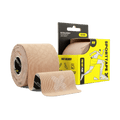
KINESIOLOGY TAPE
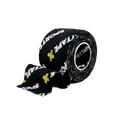
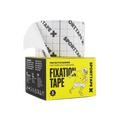
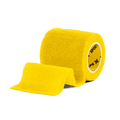
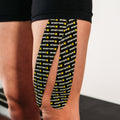
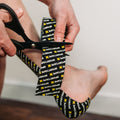
Kinesiology Tape is the colourful, stretchy tape you see all over sport. It’s designed to move with you, not lock a joint down, which makes it best for light support and confidence, rather than full immobilisation.
In sport, it’s often used for mild ankle issues, swelling, or when an ankle feels a bit unstable but you still want full movement. When taping an ankle, the goal is to guide and support movement, usually to help prevent the ankle rolling, without restricting it. You should still be able to run, jump, and change direction comfortably. Think of Kinesiology Tape as a gentle nudge for your ankle, not a set of handcuffs.
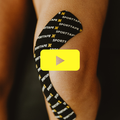
(If you want to see how it's applied, click here!)

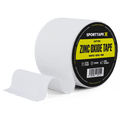
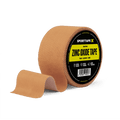
ZINC OXIDE TAPE
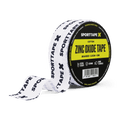
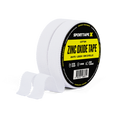
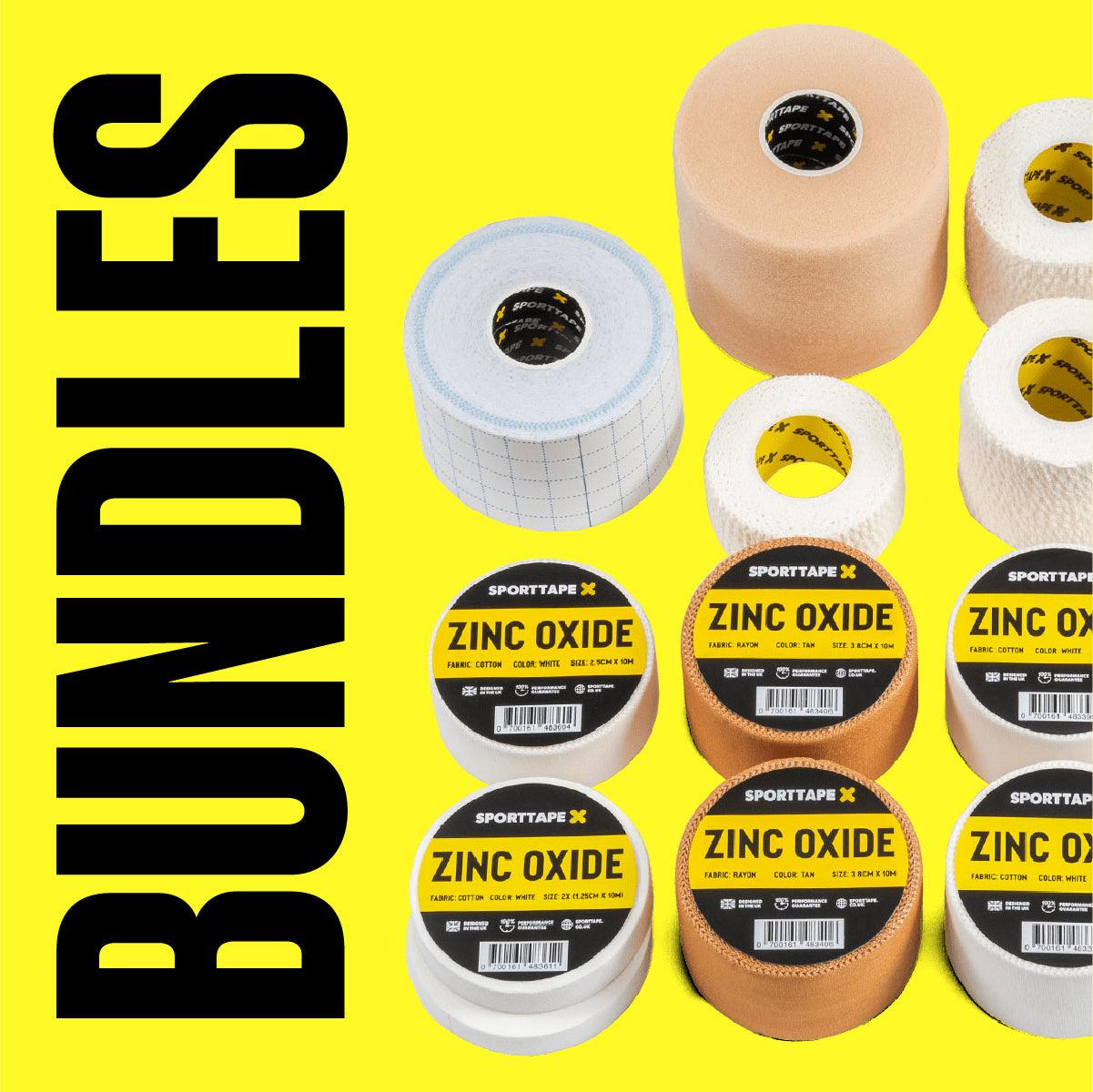
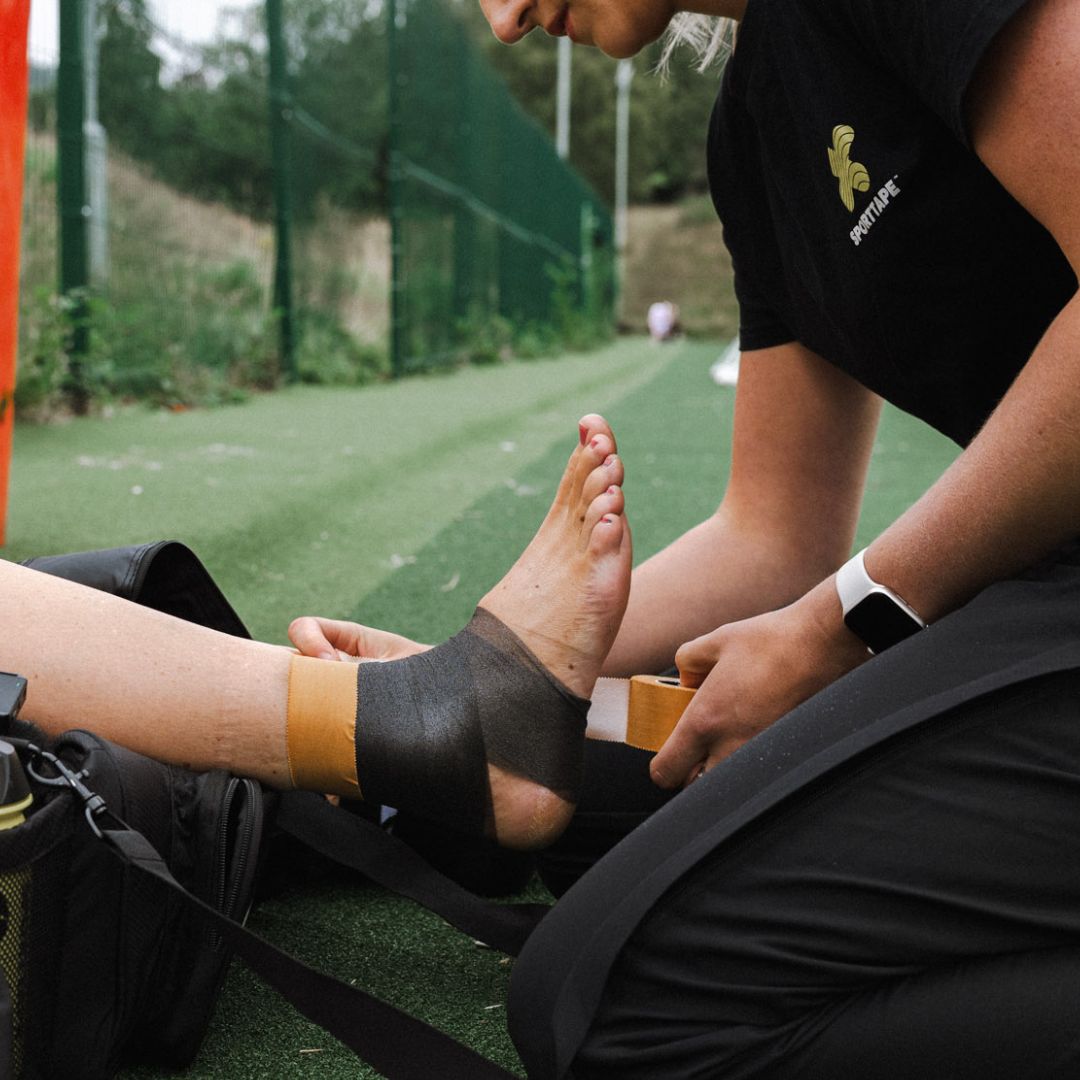
Zinc Oxide Tape is the heavy-duty option. Unlike Kinesiology Tape, it’s rigid and strong, so it’s ideal for strapping and immobilising an ankle after a sprain or injury. The Tan rolls are especially popular with therapists because they give serious support without stretching.
In sport, Zinc Oxide Tape is used when you really need to lock the ankle in place, so think pre-match strapping or rehabbing a dodgy joint. When taping an ankle, it’s all about stability: strips are layered around the joint to limit movement, prevent rolling, and protect ligaments. It’s not the tape you’ll wear for flexibility; it’s the tape that says, “You’re staying put!”.
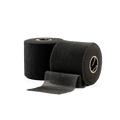
Before using Zinc Oxide Tape, many athletes use Underwrap to protect the skin. It sits between your skin and the tape, preventing irritation or blisters, especially when layering for heavy strapping. This way, your ankle stays supported without your skin paying the price.
(Strapping ankles can be a bit more tricky, so follow this tutorial to nail it first time!)

TEAR EAB
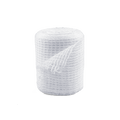
Tear EAB (Elastic Adhesive Bandage, if you want the full name) sits nicely between Kinesiology Tape and Zinc Oxide Tape. It’s stretchy enough to give movement and comfort, but strong enough for stability or even light immobilisation. You'll see a lot of strapping application combine it with Zinc Oxide.
In sport, particularly rugby, Tear EAB is versatile, useful for sprains, ankle niggles, or when you want a bit of both support and flexibility. When taping an ankle, it can be wrapped around the joint to provide gentle compression, reduce swelling, and guide movement. It’s like the best of both worlds: supportive without feeling too rigid.
Generally for ankle, you would likely go for a 5cm width roll, but to cover a bit more of the area, some therapists may opt for the wider 7.5cm rolls. Dealer's choice!

COHESIVE BANDAGE
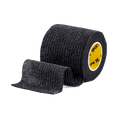
Cohesive Bandage is a lighter, self-adhesive tape that sticks to itself, not your skin. It’s mainly used for compression and a bit of extra stability, rather than that full immobilisation that Zinc or EAB would offer.
In sport, it’s great for keeping swelling down, holding shin pads or socks in place, or giving a mildly unstable ankle some support. When wrapping an ankle, it’s usually layered around the joint to keep it snug and secure without restricting movement. Think of it as a gentle hug for your ankle. Essentially, upportive, but not bossy.
(Check out our festive Cohesive ankle wrap!)

Choosing the right tape for your ankle doesn’t have to be confusing. Whether you want a gentle nudge with Kinesiology Tape, heavy-duty support with Zinc Oxide, a versatile middle-ground with Tear EAB, or a snug hug from Cohesive Bandage, there’s an option for every ankle and every athlete.
The key is picking the tape that matches the support you need and remembering, a little prep (and Underwrap!) goes a long way. Now go on, tape up, and keep moving. If you need to learn more about how tape, check out our learn page!