








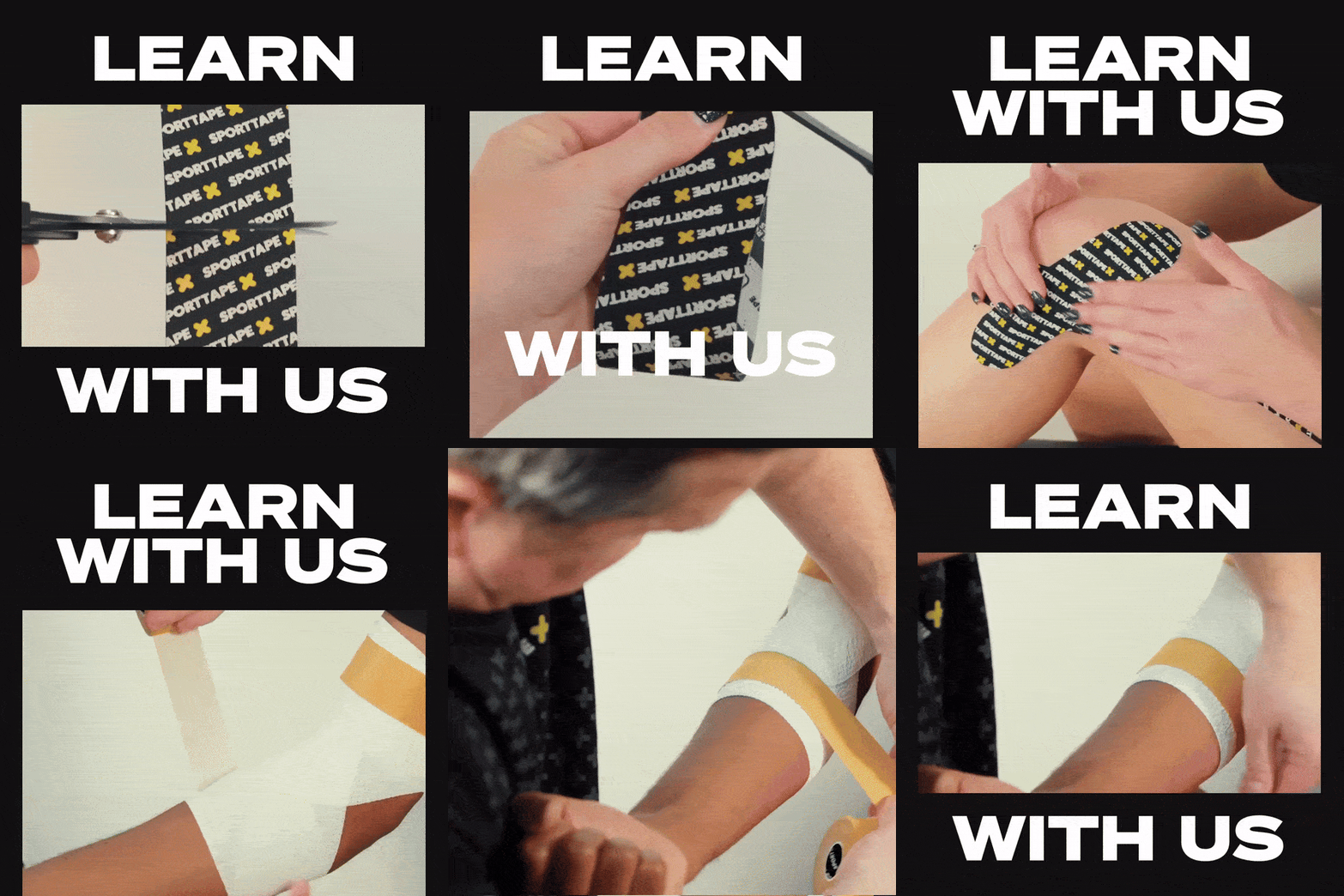











Whether you're heading into your first matchday as a sports therapist or you've been taping ankles for years, there's always something new to learn when it comes to strapping. The basics might look simple enough, but anyone who's spent time pitchside knows there's a world of difference between a strapping job that lasts 80 minutes and one that's peeling off before kick-off.
So, we caught up with our Head of Medical and Education, Ben Warburton, to pick his brain. With years of experience working in elite rugby and thousands of strapping applications under his belt, he's seen the good, the bad, and the downright ugly when it comes to tape.
From common mistakes and pitchside pressure to the tapes he wouldn't leave home without, here are some of Warbs' top strapping tips for therapists, physios, and anyone looking to sharpen up their taping game.
STRAPPING FOR ELITE SPORT:
EVERY THERAPIST NEEDS A GO-TO TAPE
Ask ten therapists what their favourite tape is and you'll probably get ten different answers. Everyone develops their own preferences over time, usually based on the sports they work in, the injuries they see most often, and the applications they've come to trust when the pressure is on.
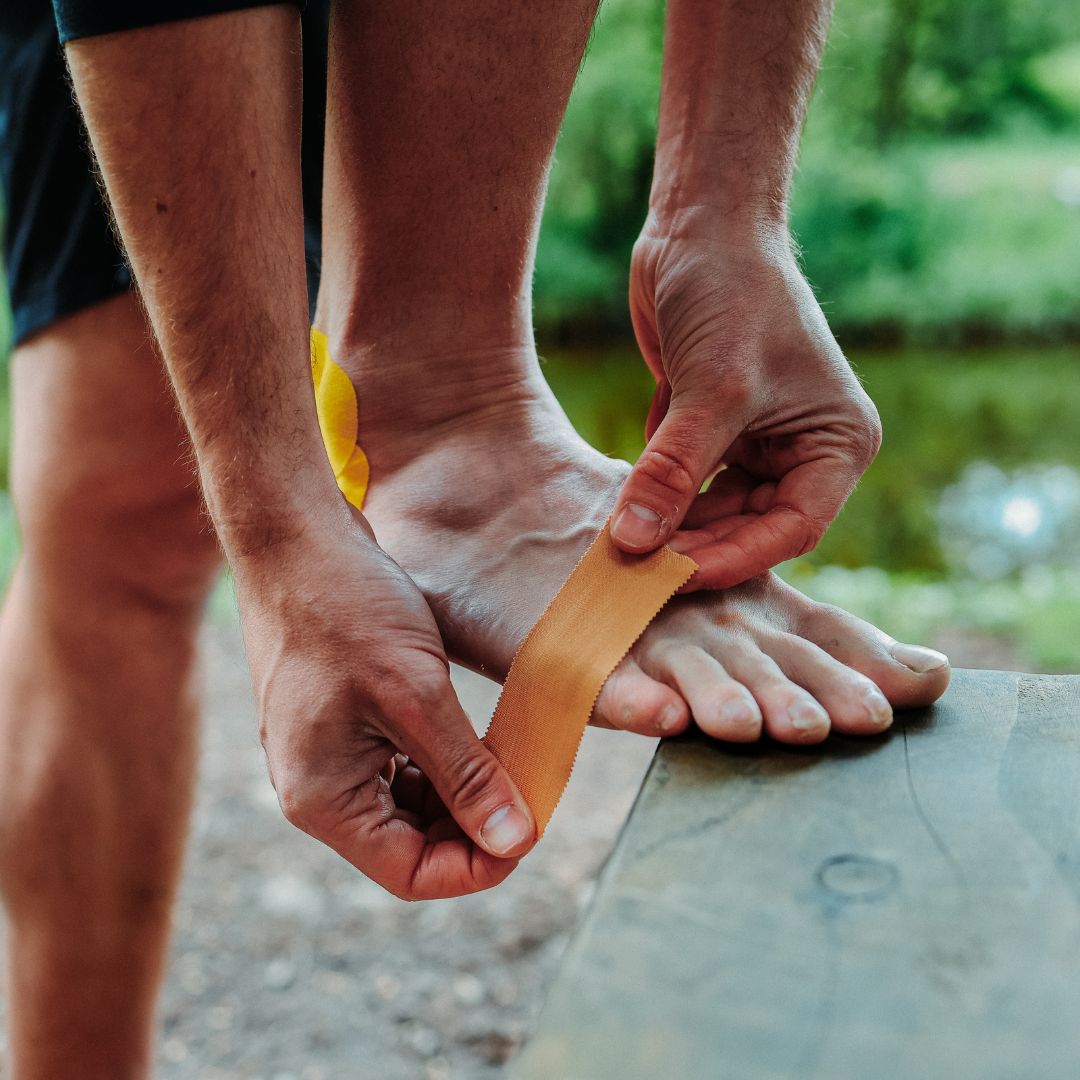
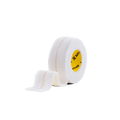
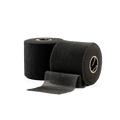
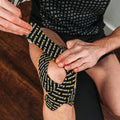
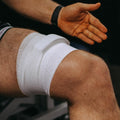
For Warbs, there's one tape that stands above the rest. "From a rugby perspective, 7.5cm Tear EAB is absolutely essential," he says. And when you hear how often he uses it, it's easy to see why. Whether it's wrapping a knee, securing padding over a contusion, strapping an ankle over a boot, or sorting a player's Lifting Blocks that need constantly replacing throughout a game, Tear EAB is the tape he keeps coming back to.
One of the biggest challenges of working pitchside is that you don't always have the luxury of time. You need products that are quick to apply, easy to tear, and versatile enough to solve multiple problems at once. That's exactly where EAB comes into its own. It provides support without completely restricting movement and can be adapted to countless applications in a matter of seconds.
While every therapist will eventually build their own pitchside toolkit, having a reliable all-rounder is invaluable. And if Ben's years in elite rugby have taught him anything, it's that a roll of Tear EAB is rarely far from the action.

THE BIGGEST STRAPPING MISTAKE? GOING TOO TIGHT...
If there was one mistake Warbs could instantly remove from the strapping world, this would probably be it.
"Without a doubt it's therapists applying tape too tightly," he says. It's an easy trap to fall into. When you're new to strapping, it's tempting to think tighter automatically means more support. In reality, all you're often doing is making the application uncomfortable, overly restrictive, and potentially creating more problems than you're solving.
Ben believes one of the reasons this happens is because many therapists haven't experienced being strapped themselves. "Until you've worn rigid tape yourself, you don't fully appreciate how supportive and restrictive it can be. I always tape up junior therapists when I'm teaching so they get a full appreciation of what they'll be doing."
It's a simple lesson, but an important one. Good strapping should support an athlete, not make them feel like their joint has been wrapped in concrete.
There's also a practical reason for starting lighter. If an application needs a little more support, you can always add an extra strip or two. If you've gone too tight from the start, you're often left removing the whole thing and beginning again.
As Warbs puts it, that's time and tape wasted. The takeaway? Don't confuse compression with quality. A good strapping application is comfortable, functional, and gives the athlete exactly the support they need. Nothing more, nothing less.

PITCHSIDE STRAPPING IS ALL ABOUT SPEED
When people think about working pitchside, they often picture a physio calmly assessing an injury before delivering the perfect strapping application. The reality? It's usually a lot more reactive than that. "Strapping pitchside is very reactive and needs to be very speedy."
That's where preparation comes in. The therapists who make pitchside strapping look effortless have usually spent hours practising applications until they become second nature. Because it's not just about knowing how to tape a joint...you've got different injuries, different athletes, and different preferences to deal with, often in a matter of seconds.
"It's difficult enough taping for numerous applications across multiple joints, then throw in personal preferences. Then on top of that, you need to do it pitchside in 30–60 seconds!" Ben's advice? Master a simple, effective EAB wrap that can be adapted to multiple situations.
"Pitchside is when EAB is your best friend." The more comfortable you are with the fundamentals, the quicker and more effective you'll be when the pressure is on.

DIFFERENT SPORTS, DIFFERENT DEMANDS
While the principles of strapping stay largely the same, the way it's used can vary massively from sport to sport.
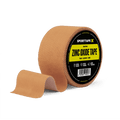
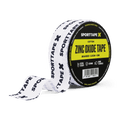
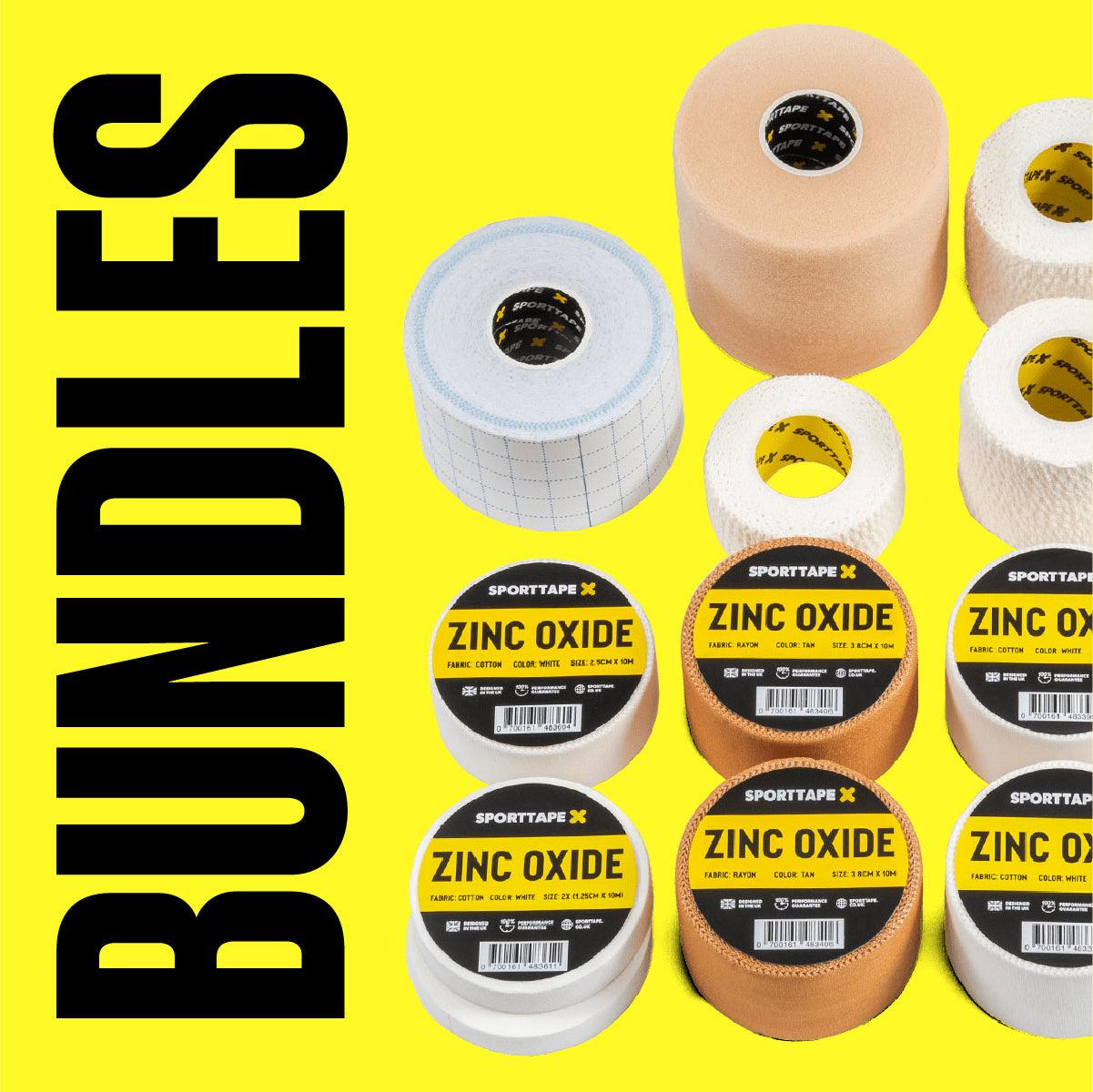
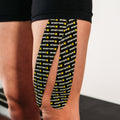
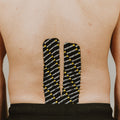
According to Warbs, there's a pretty clear pattern. The more contact and collision involved, the more likely you are to be reaching for rigid tapes. "Rugby uses A LOT of rigid tapes like Zinc Oxide and EABs. Football is more about EAB and Kinesiology Tape, whereas athletics is more about Kinesiology Tape. It seems to be a continuum: the more vigorous the contact and collision aspect of the sport, the more rigid tapes you use."
That probably won't come as a surprise to anyone who's watched a rugby match. Between the tackles, rucks, mauls and scrums, joints take a serious battering, which is why support and stability become such a big focus.
Over the years, Ben has applied countless shoulder strappings to help restrict rotation and provide support, but there's one application that stands above the rest. "The app I've done the most is definitely an ankle strap to prevent inversion. I genuinely think I've done thousands!"
And honestly, we believe him. Spend enough time around rugby players and you'll quickly realise there's always someone rolling an ankle.

THE SMALL DETAILS THAT SEPARATE GOOD FROM GREAT
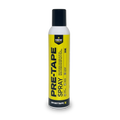
A good strapping application starts long before the tape touches the skin. According to Warbs, the basics matter more than most people think: trim hair where possible, make sure the skin is clean and dry, and use a Pre-Tape Spray to improve adhesion.
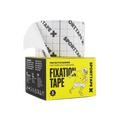
For shoulder applications, there's one product he won't go without. "I'd always use Fixation Tape without fail, both as a breathable base layer for adhesion, as well as over the top of the whole application to lock it all in place."
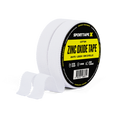
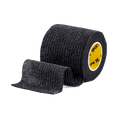
One mistake hestill sees regularly is therapists pulling EAB too tight. "The hard work is done with rigid tapes like Zinc Oxide. EAB is just a light-to-moderate overwrap to keep it in place."
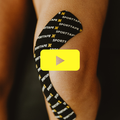
And if there's one tip that can instantly improve your strapping, it's surprisingly simple: "Follow the contours of a joint and let the tape take you where it wants to go." Trying to force the tape usually leads to creases, messy applications, and tape that doesn't perform as well as it should. Sometimes the best thing you can do is trust the tape, start again if needed, and focus on getting a clean finish.
After all, as Warbs will say, "Look good, feel good."