














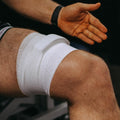
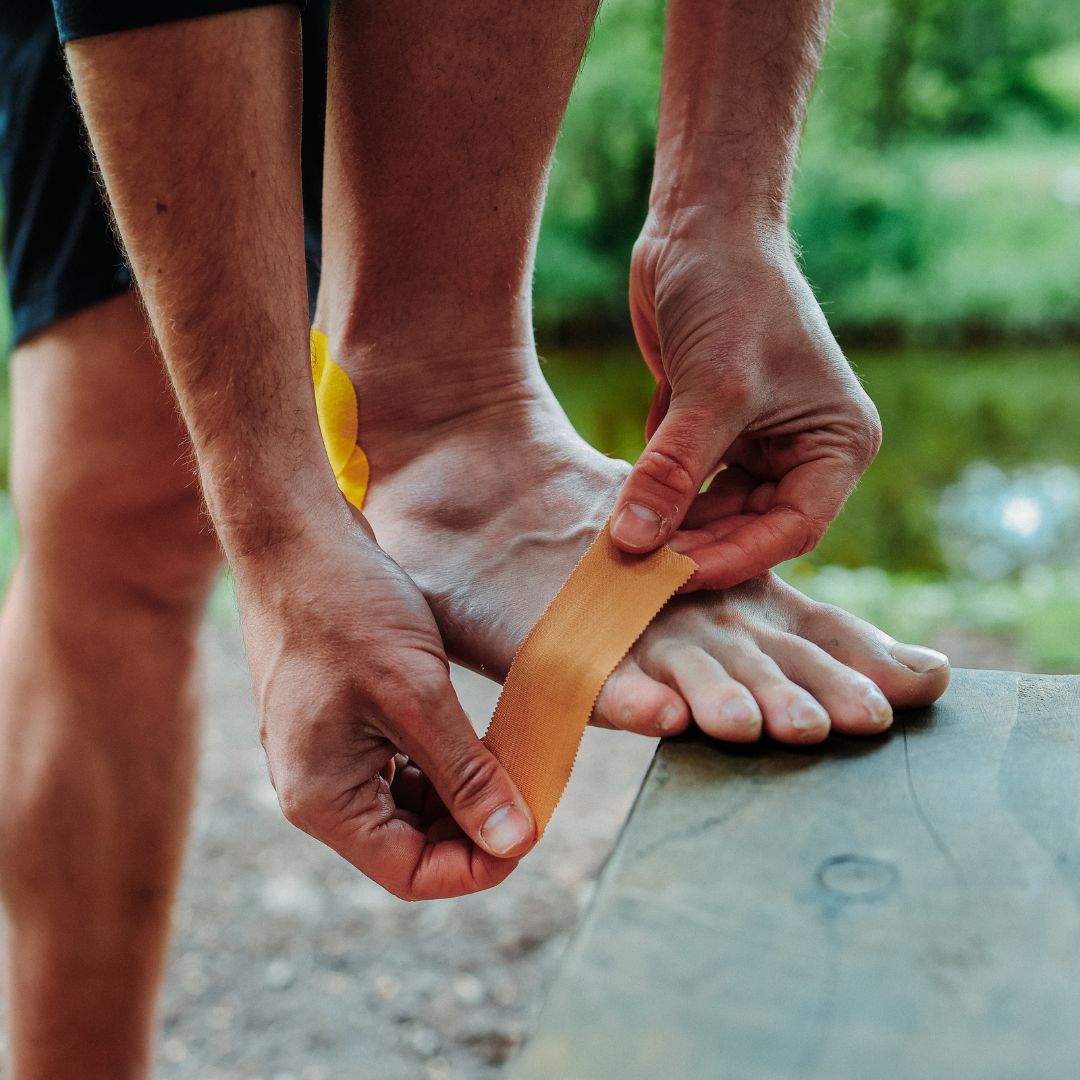
Hate them, hate them, HATE THEM!
Blisters are one of those frustratingly common problems in sport. Whether you’re running trails, hiking hills, breaking in new boots, gripping a tennis racket or lifting in the gym, friction has a habit of catching up with everyone eventually.
The good news? Most blisters are preventable. And if one’s already started making itself known, the right tape can help protect it before it gets worse. From your classic Zinc Oxide Tapes to softer Foam Tape options, we’re breaking down how to tape for blisters properly, including prevention, protection and choosing the right tape for the job.
Let's bust some blisters!
TAPING FOR BLISTERS:
WHY DO BLISTERS HAPPEN?
At their core, blisters are caused by friction. Repeated rubbing creates heat and irritation on the skin, and eventually your body responds by forming a fluid-filled blister to protect the area underneath.
Usually, they don’t just appear out of nowhere either. Most blisters start as a “hot spot”, you know, it's that slightly uncomfortable area on your heel, toe or hand that you notice halfway through a run, hike or training session. Ignore it, and it normally gets worse.
Sweat, moisture, poorly fitting footwear, repetitive movements and pressure points can all make things even more likely. Which is why blister prevention is less about luck, and more about reducing friction before it has chance to do any damage.

PROTECTION V PREVENTION: KNOWING THE DIFFERENCE
When it comes to blisters, timing matters. There’s a big difference between preventing a blister from forming in the first place, and protecting skin that’s already starting to get irritated.
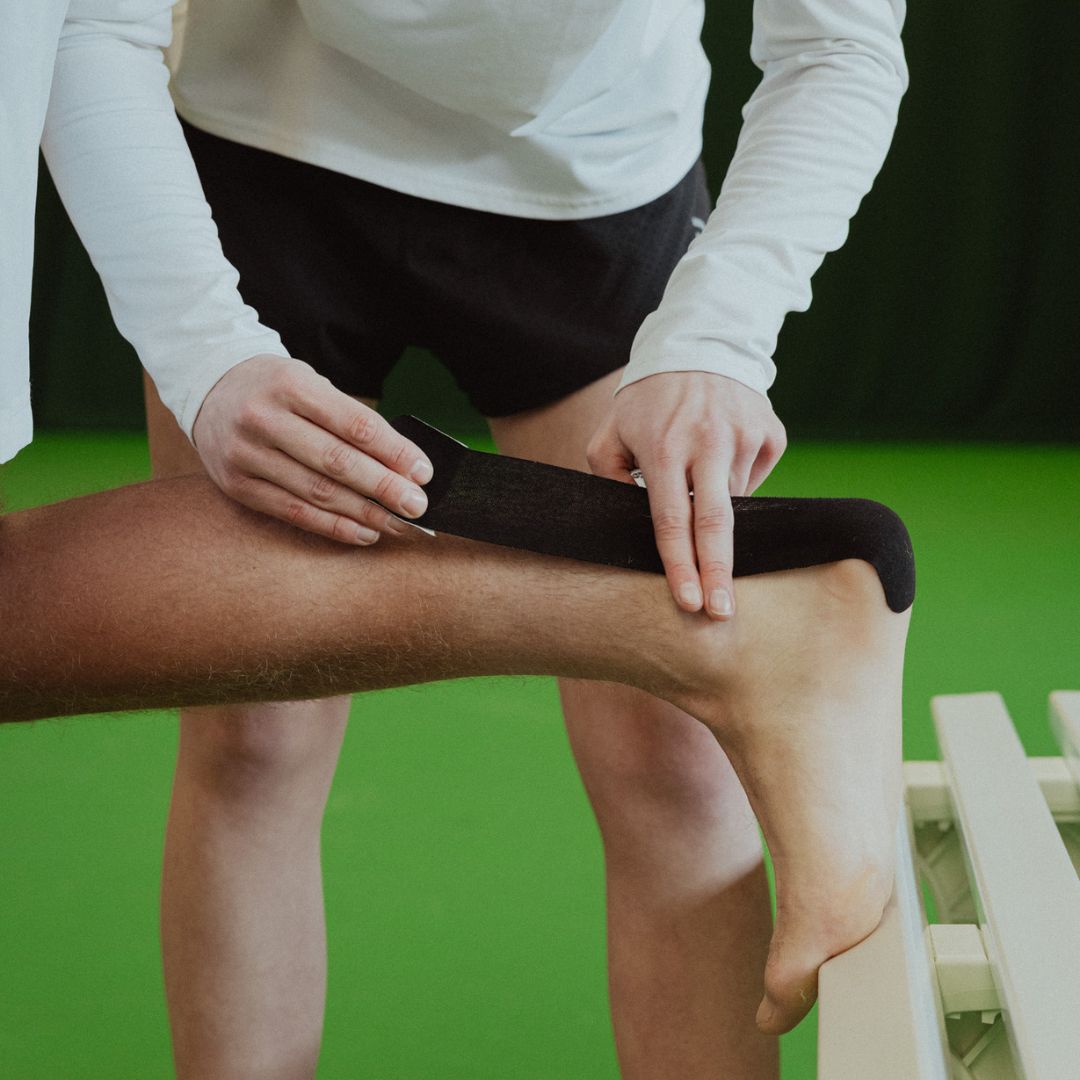
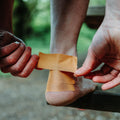
Prevention is all about getting ahead of the problem. This means taping areas before you head out for your run, hike, match or training session. Especially if you already know your “problem spots” like heels, toes or palms. Done right, tape acts as a barrier between skin and friction, reducing the rubbing that causes hot spots in the first place.
Protection, on the other hand, is what you do when you can already feel something starting. Maybe it’s a sore heel halfway through a long walk, or a blister forming under a boot. In this case, tape is less about stopping friction completely and more about cushioning the area so it doesn’t get worse and you can still carry on comfortably.
Both approaches matter, and often, the best use of blister taping is knowing when to switch between the two.

WHICH TAPE SHOULD YOU USE?
The honest answer? There isn’t just one “best” blister tape. It depends on where the problem is, what you’re doing, and whether you’re preventing or protecting.
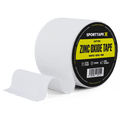
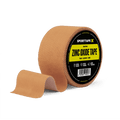
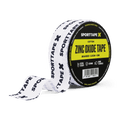
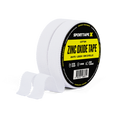
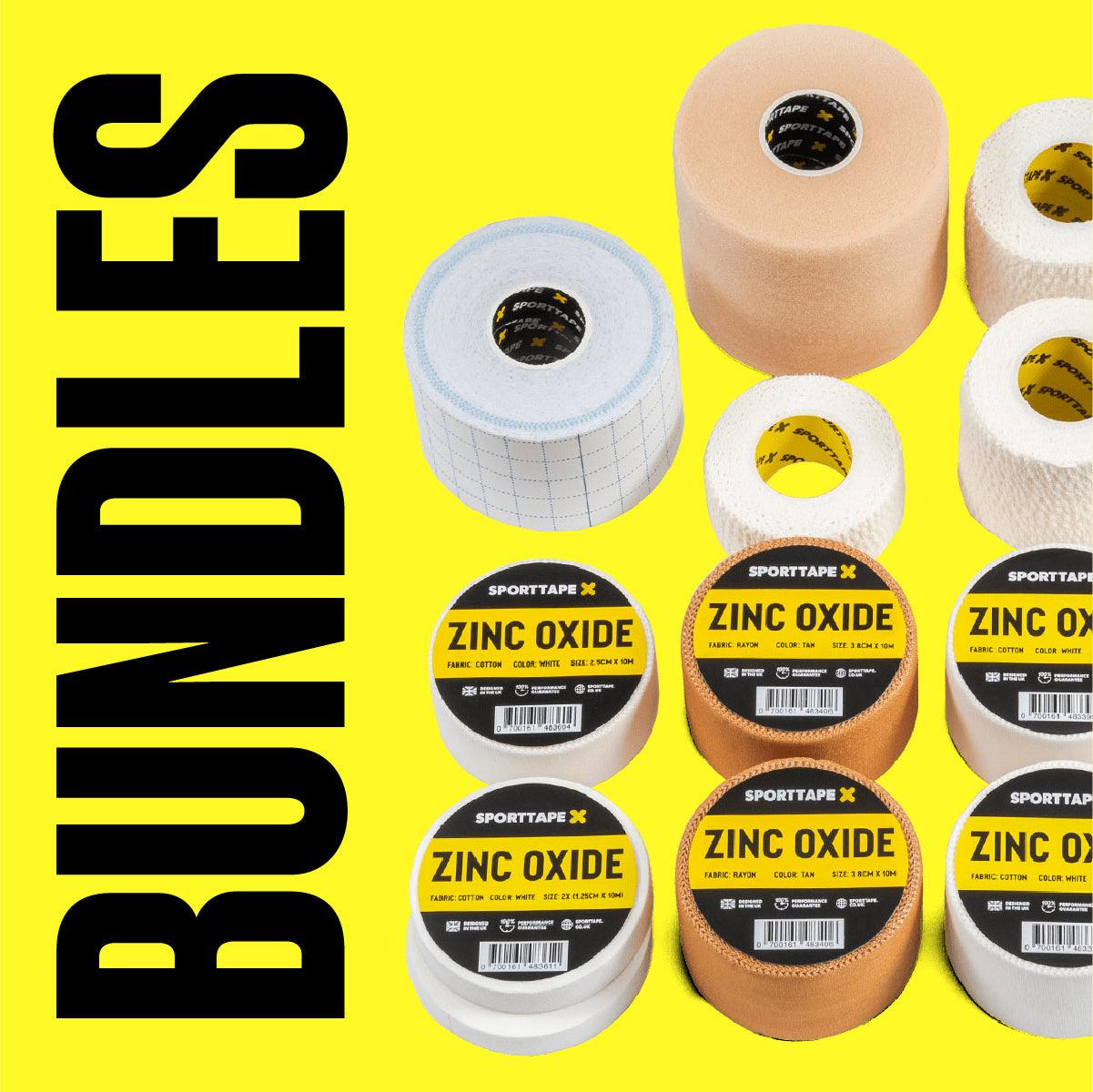
For most general blister prevention on feet, Zinc Oxide Tape is still the go-to. It’s strong, durable, and creates a reliable barrier against friction, which is why it’s so commonly used on heels, toes and areas inside boots where rubbing is likely. For a stronger hold, most people tend to opt for the Zinc Tan option too.
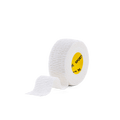
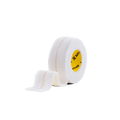
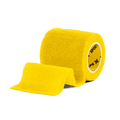
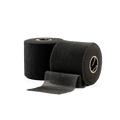
When things are already a bit sore, or you want a bit more comfort and cushioning, Foam Tape (sometimes called microfoam) comes into its own. It’s softer, more flexible, and better suited for prevention and protecting irritated skin or high-pressure areas without feeling too rigid.
For the upper body and more sport-specific needs, other options start to make sense. Thumb Tape is a solid choice for gym work, especially around barbell movements where repeated gripping can cause friction over time. For racquet sports or combat sports, Finger Tape can help protect against repetitive strain and rubbing without restricting movement too much.
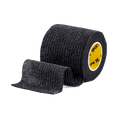
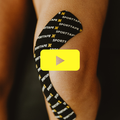
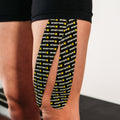
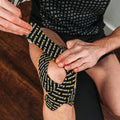
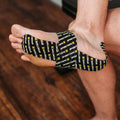
And in some cases, it’s not about choosing just one. Layering can actually be useful. For example, applying Zinc Oxide Tape as your base protection, then using Kinesiology Tape over the top can help secure everything in place and add a level of water resistance. That can be especially useful for longer sessions, outdoor training, or muddier conditions where sweat and moisture become part of the equation.
The key takeaway? There are lots of tools that can help and the best setup is usually the one that matches your sport, your environment, and where you tend to rub.

WHERE TO TAPE FOR BLISTERS (COMMON HOTSPOTS)
Blisters are rarely random. They tend to show up in the same places again and again, depending on the activity. Knowing your hotspots is half the battle when it comes to stopping them before they start.
For runners and walkers, it’s usually the heels, sides of the feet and sometimes the toes, especially on longer efforts or downhill sections where the foot moves more inside the shoe. Hikers and boot-wearers often get similar issues, particularly around the heel collar and toe box where pressure and movement combine over time.
In the gym, the focus shifts to the hands. Repeated gripping can cause rubbing across the palms, thumbs and sometimes the base of the fingers, especially during barbell or kettlebell work.
For racquet sports like tennis or padel, it’s often the fingers, thumbs and parts of the hand that absorb repeated impact and friction during play. Combat sports can see similar issues, particularly around taped or wrapped areas that are under constant strain.
The key is simple: once you know where you usually rub, you can tape before it becomes a problem, rather than reacting after the blister has already formed.

A FEW SIMPLE TRICKS
Getting the tape right is only half the story! A few small habits can make a big difference in whether you even need it in the first place.
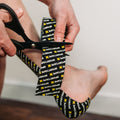
Make sure skin is clean and dry before applying tape, otherwise it’ll struggle to stay put for long sessions. Try to apply it before you start feeling friction, not once it’s already turned into a hot spot. And if you’re cutting tape yourself, rounding the edges can help it stay in place for longer, especially on areas that move a lot like heels or hands.
It’s also worth listening to those early warning signs. That slight rub or “something’s not quite right” feeling is usually your cue to act, not push through.
Blisters might be common, but they don’t have to be part of the deal every time you train, race or play. A bit of prep, the right tape in the right place, and a bit of awareness of your own hotspots can go a long way in keeping things comfortable.
Whether you’re out on the trails, under a barbell or deep into a match, a small strip of tape can often be the difference between finishing strong and limping it home thinking about what might have been.